Virtual Twin
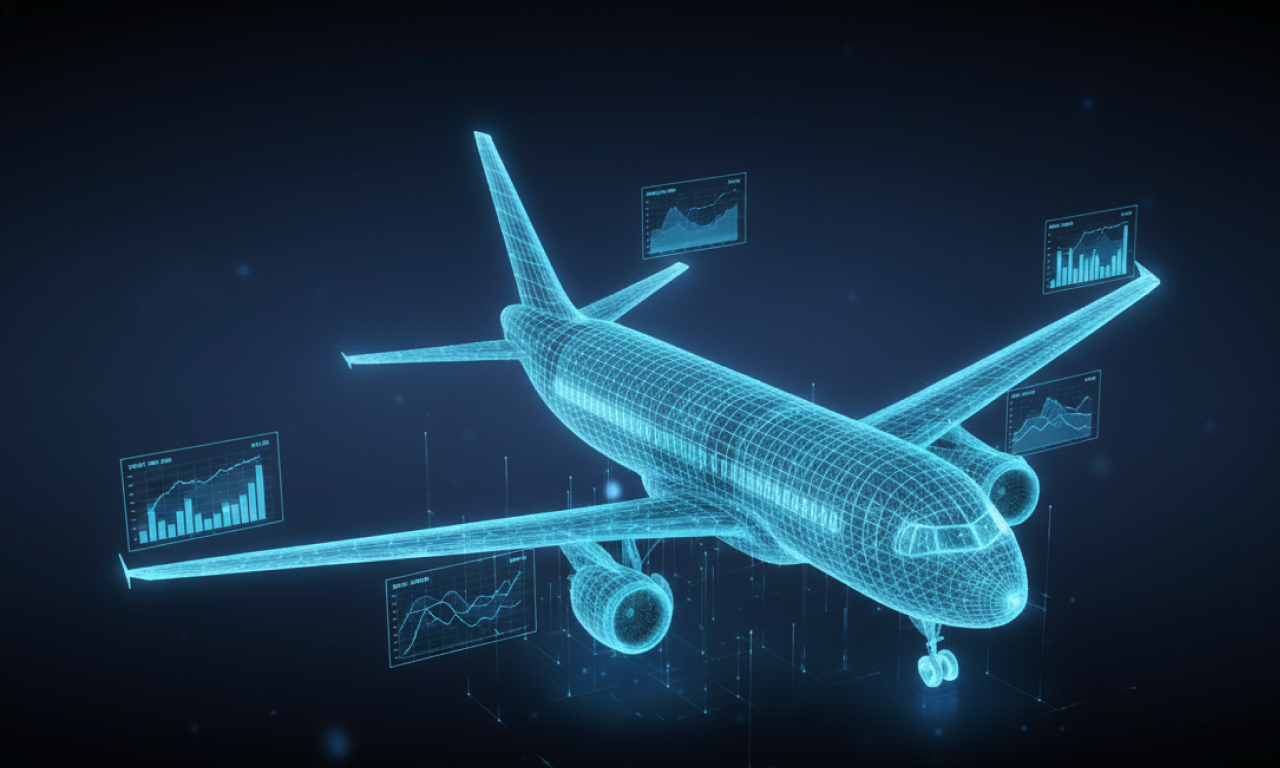
A Virtual Twin traditionally refers to a virtual counterpart of a physical object, system or process, created to mirror behaviour, monitor status and simulate outcomes. Dassault Systèmes positions an evolved form—what they often call a virtual twin—which not only replicates the physical but also tracks its lifecycle changes, operational data and evolving conditions.
Why Virtual Twins Matter
In an industry that demands precision and speed, Trellisign stands out for combining high technical competence with client-first agility.
Risk reduction and mitigation
Virtual models let teams evaluate designs, processes, and operations beforehand, reducing the chances of issues during implementation—for example, helping prevent layout or flow problems in manufacturing facilities.
Better decision-making
With the integration of real-time or historical data, stakeholders gain accurate, timely insights for improved choices related to maintenance, production, supply chain management, and design changes.
Sustainability and efficiency
Simulating operational processes and resource flows enables companies to optimize energy use, cut waste, and speed up development cycles.
Enhanced collaboration
Virtual twins foster teamwork by linking design, engineering, manufacturing, and operations experts around a common virtual model, reducing barriers between disciplines.
Key Features & Technical Capabilities
- Ensures all stakeholders—design, engineering, manufacturing, operations—access a single, consistent model and data stream, solving the problem of multiple applications and data sources.
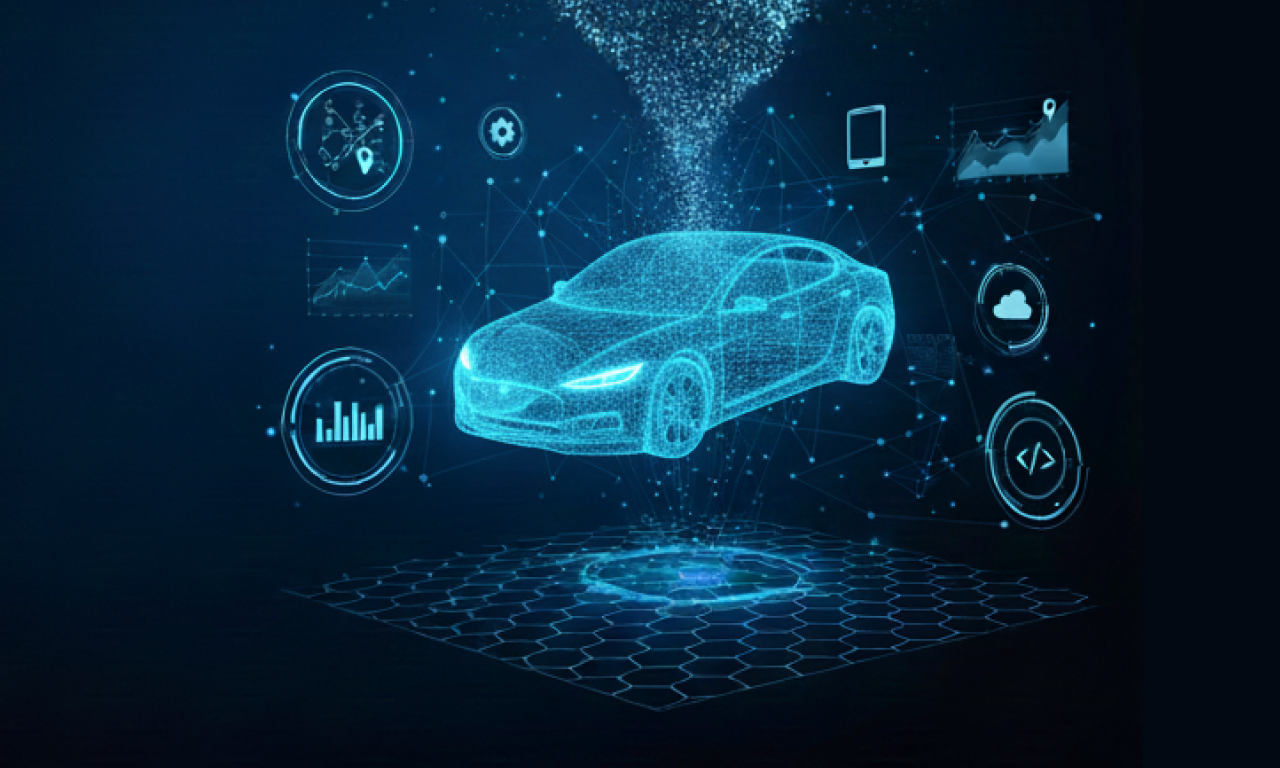
- Integrates real-time and historical data, such as IoT sensor feeds in manufacturing, enabling live monitoring and predictive analytics.
- Supports simulation and "what-if" analyses, allowing organizations to test scenarios like process flows, machine movements, and environmental impacts before physical implementation.
- Maintains lifecycle continuity by evolving the model from “as-designed” through “as-built” to “as-used,” ensuring relevance throughout the product or system lifespan.
- Delivered via collaborative cloud platforms, such as the 3DEXPERIENCE® environment, facilitating cross-disciplinary teamwork across various domains and roles.
Applications
Factory Design and Simulation
Virtual Twins are used to create virtual factory layouts, test robot paths, and validate processes, reducing programming time and tooling issues.
Manufacturing Operations
Real-time monitoring of machines and processes through IoT integration, detecting deviations and supporting predictive maintenance.
Infrastructure Project Handover & Operations
Synchronize engineering data, streamline project handover, and manage assets throughout their lifecycle in energy and infrastructure sectors.
Product Design and Lifecycle Management
Simulate performance, usage behavior, and end-of-life scenarios for products like automotive, aerospace, and medical devices to optimize design and operation.
Virtual Twin VR/AR
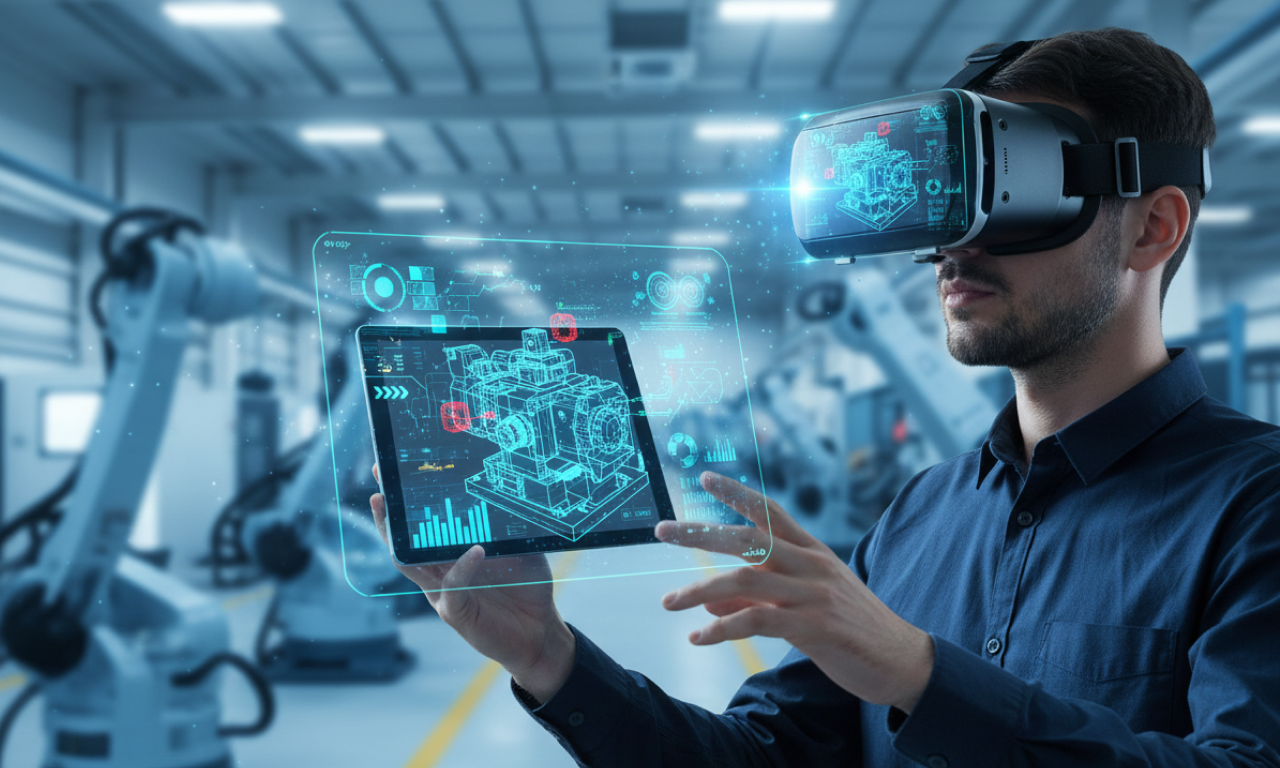
A Virtual Twin traditionally refers to a virtual counterpart of a physical object, system or process, created to mirror behaviour, monitor status and simulate outcomes. Dassault Systèmes positions an evolved form—what they often call a virtual twin—which not only replicates the physical but also tracks its lifecycle changes, operational data and evolving conditions
Key elements
- A 3D model capturing geometry, properties and relationships
- Real-world data (from sensors, systems, human inputs) feeding the model
- Simulation/analysis capabilities layered on top, to test “what-if” scenarios and forecast behaviour
- A tight link between the virtual model and the real system through time (as-designed → as-built → as-used).
Key Features & Technical Capabilities
- Unified Data and Single Source of Truth: All stakeholders across design, engineering, manufacturing, and operations work from the same consistent model and data stream, eliminating the issue of fragmented applications and multiple data sources.
- Real-Time and Historical Data Integration: IoT sensors and connected systems continuously feed data into the Virtual Twin, enabling live monitoring and predictive analytics.
- Simulation and What‑If Scenarios: The Virtual Twin supports behavioral and process simulations, allowing organizations to virtually test and validate scenarios before physical implementation.
- Lifecycle Continuity: The digital model transitions seamlessly through the stages of as-designed, as-built, and as-used, ensuring ongoing accuracy and relevance.
- Cross‑Discipline Collaboration and Cloud Delivery: Platforms such as 3DEXPERIENCE® enable unified access for diverse teams and roles across the enterprise through cloud-based collaboration.
Applications
Factory Design and Simulation
Virtual Twins are used to create virtual factory layouts, test robot paths, and validate processes, reducing programming time and tooling issues.
Manufacturing Operations
Real-time monitoring of machines and processes through IoT integration, detecting deviations and supporting predictive maintenance.
Infrastructure Project Handover & Operations
Synchronize engineering data, streamline project handover, and manage assets throughout their lifecycle in energy and infrastructure sectors.
Product Design and Lifecycle Management
Simulate performance, usage behavior, and end-of-life scenarios for products like automotive, aerospace, and medical devices to optimize design and operation.